
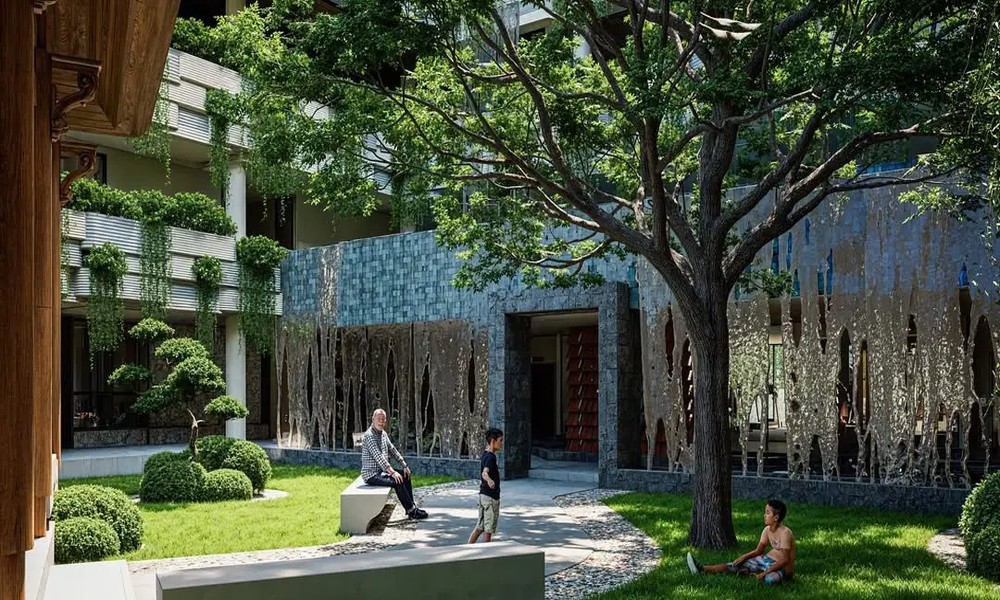
Sustainable building design helps architects and engineers create buildings that are better for the environment and healthier for the people who use them. These buildings use less energy, save water, reduce waste, and lower pollution. At the same time, they improve comfort, safety, and long-term costs for owners and occupants.
One of the most well-known systems that supports sustainable building design is the Leadership in Energy and Environmental Design (LEED) rating system, developed by the U.S. Green Building Council (USGBC). LEED uses a point system to measure how well a building performs in areas such as energy use, water savings, materials, and indoor air quality. Buildings that meet these standards earn LEED certification.
Studies show that LEED-certified buildings use about 25% less energy and 11% less water than regular buildings. While LEED certification is an important step, it is not the only way to build sustainably. True sustainability comes from following core design principles throughout planning, construction, and daily building use.
What Is a Green Building?
A green building is a structure designed and built to reduce harm to the environment while using resources wisely. This includes how the building is planned, built, and used over time. Green buildings aim to save energy and water, improve indoor air quality, and create healthier spaces for people to live and work.
Green buildings are not just about the final structure. They also focus on responsible building methods, smart design choices, and efficient systems that lower long-term environmental impact. When done right, green buildings are comfortable, safe, and cost-effective.
Key Features of Green Buildings
Green buildings usually include several important features that support sustainability, such as:
- Environmentally friendly building materials
- Energy efficiency and renewable energy use
- Reduced construction and operational waste
- Water-saving fixtures and systems
- Improved indoor air quality
- Lower use of harmful chemicals
- Smart land use and sustainable development planning
The Six Core Principles of Sustainable Building Design
Sustainable building design goes beyond saving energy and water. It looks at the full life of a building—from site selection to daily operations. Architects and engineers follow six main design principles to create buildings that are efficient, durable, and responsible.
1. Optimize Site Potential
Choosing the right site is the first step in sustainable building design. This applies to both new buildings and existing structures. A well-chosen site can reduce energy use, protect nature, and support public transportation.
Site optimization considers building orientation, sunlight exposure, landscaping, and drainage. Sustainable sites manage rainwater properly and protect local plants and wildlife whenever possible. Supporting natural ecosystems helps reduce flooding, pollution, and heat buildup.
2. Conserve and Protect Water Resources
Fresh water is becoming harder to find in many areas. Sustainable buildings use water-saving fixtures such as low-flow faucets, toilets, and showers. These systems reduce water use without affecting comfort.
Other strategies include rainwater collection, efficient irrigation, and water reuse systems. Saving water helps protect natural supplies and lowers utility costs over time.
3. Improve Energy Use and Efficiency
Buildings use large amounts of energy for lighting, heating, cooling, and ventilation. In fact, buildings produce a major share of global carbon emissions. Many commercial buildings also waste a significant portion of the energy they consume.
Sustainable building design focuses on reducing energy waste by using better insulation, efficient lighting, smart controls, and high-performance systems. Some buildings even produce as much energy as they use, becoming net-zero energy buildings.
4. Use Building Materials Wisely
This principle focuses on choosing materials that are recycled, reusable, or long-lasting. Sustainable buildings are designed to use fewer raw materials and reduce waste during construction and renovation.
Using durable materials also means fewer repairs and replacements over time, which saves money and reduces environmental impact throughout the building’s life.
5. Enhance Indoor Environmental Quality
Indoor environmental quality, or IEQ, affects how people feel inside a building. Good lighting, clean air, low noise, and comfortable temperatures all play a role.
Sustainable buildings maximize natural light, improve airflow, and avoid materials that release harmful chemicals. Better indoor environments lead to healthier occupants, higher productivity, and improved overall comfort.
6. Improve Operations and Maintenance
Sustainability does not stop once construction ends. Daily building operations and maintenance must also support long-term efficiency.
By choosing easy-to-maintain systems and safer cleaning products, building owners can reduce energy use, lower water consumption, and protect occupant health. Efficient operations also extend the building’s lifespan and reduce overall costs.
The Long-Term Benefits of Sustainable Building Design
Sustainable building design offers real and measurable benefits, including:
- Up to 35% energy savings
- 20–60% water savings
- 15–30% lower cleaning and maintenance costs
Small design choices can make a big difference. Energy-efficient fixtures, smart plumbing systems, and durable materials all contribute to a healthier planet and more efficient buildings.
By following sustainable building design principles, architects and engineers help create spaces that support the environment, save money, and improve quality of life—today and for generations to come.