
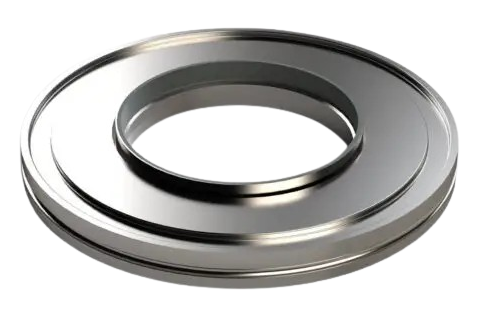
In high vacuum systems, a special kind of window allows people to see inside. These components maintain a tight seal while letting light pass through. They are vital for both observation and scientific measurement.
The core idea is a barrier that handles extreme pressure differences. It stays clear so users can watch processes or send signals. This balance between strength and clarity is key.
Different materials and designs suit various needs. Options range from standard glass to advanced coatings. Each type meets specific demands for clarity and durability.
Major producers create these specialised products. Proper selection depends on your system’s requirements. Choosing the right one ensures performance and safety.
Key Takeaways
- These components seal vacuum chambers while allowing visual and light access.
- They withstand high pressure differences without leaking.
- Multiple functions include observation, illumination, and signal transmission.
- Material choice is crucial for durability and performance.
- Various types exist for different industrial and scientific uses.
- Leading manufacturers offer specialised solutions for specific needs.
- Correct selection depends on application requirements and environment.
Understanding Vacuum Viewports and Their Critical Role
Specialised containers create controlled low-pressure environments for various applications. These sealed units, known as vacuum chambers, maintain conditions where gas pressure drops far below atmospheric levels. As you may know, vacuum viewports are a key part of these systems.
Practical uses span multiple industries. Product drying becomes efficient as water boils at just 30°C in these conditions. Space equipment testing requires simulated orbital environments. Many research and manufacturing processes need air-devoid settings.
Construction materials primarily involve metals for strength and durability. Stainless steel offers excellent corrosion resistance. Other steel alloys provide robust performance across different pressure ranges.
Size variations demonstrate remarkable flexibility. Small units may measure just 10cm for personal or educational use. Massive research facilities like NASA’s Glenn Research Centre chamber stand 122 feet tall and 100 feet wide. This enormous space accommodates full vehicle testing for space missions.
Visual access remains essential during operations. Researchers must observe processes unfolding inside the vacuum chamber. Technicians might need to adjust parameters based on real-time observations. Monitoring ensures both safety and accuracy.
This creates a fundamental engineering challenge. The system must maintain perfect seal integrity while allowing visual access. Special transparent barriers solve this problem effectively.
These components bridge the gap between isolation and observation. They withstand extreme pressure differences without compromising clarity. Their role becomes indispensable in both research and industrial applications.
Deconstructing the Components of a Viewport
Transparent barriers in sealed systems consist of two essential parts working together. The optical window provides clear visibility while the mounting flange creates a secure connection.
High-quality glass forms the viewing element. Special ‘Kodial’ glass offers exceptional optical clarity. This material undergoes hermetic sealing to prevent any gas leakage.
The flange serves as the structural interface. This metal ring connects the window to the chamber wall. Different flange designs suit various connection requirements.
| Flange Type | Design Features | Primary Applications |
| Conflat | Holes around rim for bolting | High-pressure research systems |
| ISO KF | Clamp-held inner ring | Standard industrial equipment |
| ISO LF | Strengthening grooves | Heavy-duty manufacturing |
Stainless steel dominates flange construction. Grades 304 and 304L provide excellent corrosion resistance. These materials ensure long-term durability in demanding environments.
Kovar appears in specialised applications. This nickel-cobalt alloy offers unique magnetic properties. It serves as the spinning material during manufacturing.
Proper sealing prevents atmospheric contamination. The hermetic process creates an absolute barrier against gas exchange. This maintains system integrity during operation.
Each flange type employs distinct sealing mechanisms. Some use metal gaskets while others utilise specialised clamps. The choice depends on pressure requirements and compatibility needs.
Component matching proves crucial for performance. The viewport flange must match the chamber connection type. This ensures proper installation and optimal function.
Manufacturers consider multiple factors during product development. Material selection, size specifications, and performance requirements all influence the final design. These elements determine the product’s suitability for specific applications.
Understanding these components helps buyers make informed decisions. Knowledge of flange types and materials assists in selecting the right product. This awareness ultimately affects both performance and sales outcomes.

Exploring Vacuum Viewport Materials and Their Applications
Different materials create transparent barriers for specialised observation needs. Each material offers unique optical properties and durability characteristics.
Material selection depends on specific application requirements. Environmental conditions and light transmission needs guide this choice.
Borosilicate glass serves general viewing purposes excellently. It provides broad visible range transmission with minimal distortion. This material resists thermal shock effectively.
Fused silica, also called quartz, delivers superior performance. Its ultra-pure synthetic composition ensures outstanding optical clarity. This material excels in UV and DUV transmission for precision optics.
Sapphire stands as an extremely durable option. It handles harsh environments and high temperatures up to 450°C. Broad UV to NIR transmission makes it versatile.
Zinc selenide specialises in infrared applications. High near-IR to IR transmission supports thermal imaging systems. It maintains low absorption across this range.
Magnesium fluoride covers VUV to mid-IR transmission. Its birefringent nature and durability suit demanding applications. Physical stress and thermal shock resistance add reliability.
Calcium fluoride offers even broader transmission capabilities. It spans from VUV to IR with low refraction index. Moisture and chemical resistance enhance its suitability for laser applications.
Special coatings can further enhance material performance. These treatments improve durability and optical properties. They adapt materials for specific environmental challenges.
Each material serves distinct industrial and research needs. Understanding their properties ensures optimal selection for any application. The right choice balances performance with environmental demands.
Key Technical Specifications for Vacuum Viewports
Key specifications establish the operational capabilities of viewing components in controlled environments. These parameters define performance limits under various conditions.
Temperature tolerance represents a critical factor. Maximum bakeout temperatures vary by material and flange type. Standard CF/KF flanges handle 150°C, while specialised O-rings can extend this to 250°C.
Quartz components withstand 200°C, and sapphire reaches impressive 450°C limits. These differences matter greatly in high-temperature applications.
Thermal gradient rates ensure component integrity during heating. Most materials accept 20-25°C per minute increases. Some manufacturers specify lower rates for safety.
Transmission characteristics determine optical performance. Different materials excel across various wavelength ranges.
Enhanced quartz with BBAR coatings achieves remarkable >99% transmission in specific bands. These include UV (290-370nm), visible light (350-700nm), and near-IR ranges.
Coating options significantly impact light management. Anti-reflective treatments reduce surface reflections. Single-layer coatings target specific wavelengths like 780nm or 1064nm.
Broadband AR coatings cover wider spectral ranges effectively. Options include 425-760nm and 550-1100nm bands with reflection below 0.25%.
Material compatibility with pressure levels is essential. Components must match their intended environment’s demands. This ranges from high vacuum to ultra-high vacuum (UHV) applications.
Outgassing rates become particularly important in UHV setups. Low outgassing ensures system purity and stability. This specification often determines suitability for sensitive research.
For detailed temperature specifications including glass CF flanged components rated to 400°C, consult professional technical resources.
Understanding these specifications ensures optimal component selection. Each parameter contributes to overall system performance and reliability.

Selecting the Right Vacuum Viewport: A Buyer’s Checklist
Choosing the perfect transparent barrier requires careful evaluation of multiple factors. Your selection directly impacts system performance and observation quality.
Begin with your chamber’s basic characteristics. Consider size, pressure needs, and connection type. These elements determine compatibility with existing equipment.
| Selection Factor | Key Considerations | Common Options |
| Material Type | Optical clarity, durability, temperature resistance | Borosilicate, fused silica, sapphire |
| Flange Compatibility | Connection style, sealing mechanism | CF, KF, ISO configurations |
| Transmission Range | Wavelength requirements | UV, visible light, IR spectra |
| Temperature Limits | Operating and bakeout temperatures | 150°C to 450°C ranges |
| Special Features | Additional functionality needs | Demountable design, custom coatings |
Match material choice to your specific applications. General viewing works well with borosilicate glass. Precision optics and lasers often need fused silica.
Harsh environments demand sapphire’s durability. IR applications perform best with zinc selenide. Each material serves distinct purposes.
“The right viewport isn’t about finding the best product – it’s about finding the best match for your specific operational requirements.”
Industrial Equipment Specialist
Evaluate transmission requirements across wavelength ranges. UV to IR spectra have different material needs. Ensure your choice covers necessary bands.
Temperature requirements include maximum operating limits. Also consider acceptable heating and cooling rates. These affect long-term reliability.
Assess environmental factors like chemical exposure. Physical stress and thermal shock conditions matter too. These influence material selection.
Budget considerations balance performance with cost constraints. Different materials and coatings vary in price. Find the sweet spot for your needs.
Check compatibility with existing system components. Flange types and sealing mechanisms must align. This ensures proper installation and function.
Consider special features like demountable designs. These allow substrate removal for cleaning. Custom coatings can enhance specific performance aspects.
Your final choice should meet all operational requirements. It must withstand the inside vacuum environment. Proper selection ensures optimal viewing and system performance.
Consult with manufacturers during the selection process. Their expertise can guide your decision. This approach often leads to better sales outcomes.
Taking the Next Step in Your Viewport Selection
Ready to find your perfect transparent barrier? Top manufacturers offer custom solutions. They provide tailored sizes, specialised coatings, and alternative flange materials.
Each product undergoes rigorous quality control. This includes UHV standard cleaning and individual testing. These steps ensure reliability before shipment.
Professional consultation helps match your specific requirements. Experts guide you through material choices like borosilicate or stainless steel. They assist with both standard and custom type selections.
Requesting a quote is straightforward. Provide detailed specifications for accurate pricing. Technical drawings help verify compatibility before finalising your order.
Additional support includes installation guidance and after-sales service. Contact manufacturers directly for specialised needs beyond standard glass viewports. Their expertise ensures you get the right vacuum viewport for your system.